
As an Amazon Associate I earn from qualifying purchases. All claims are strictly my personal opinion.
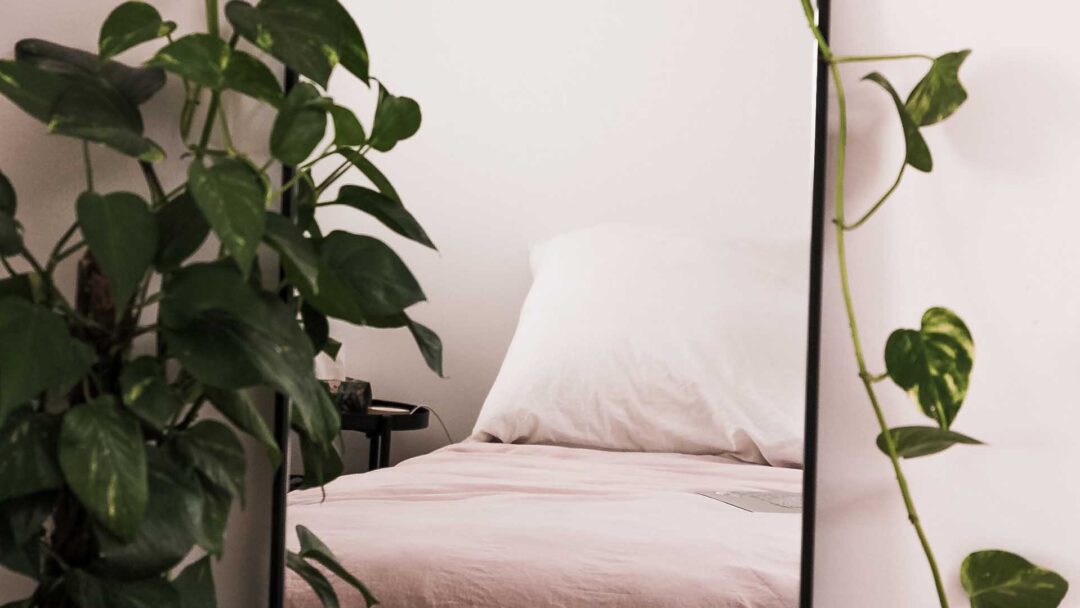
If you’ve ever stood in a room that felt cramped, dim, or just a little lifeless, a floor mirror might be the single most transformative piece you’re missing. I’ve spent a lot of time thinking about mirror placement — not just for makeup and grooming, but for the way a well-positioned mirror can completely change the energy of a space. Over on our Blog, we talk a lot about mirrors in every room of the home, and floor mirrors come up again and again as the decorator’s secret weapon. Whether you’re working with a tiny studio or a generous master bedroom, knowing where and how to place your floor mirror makes all the difference.
⚡ Key Takeaways
- Placing a floor mirror opposite a window reflects natural light and can make a room feel noticeably brighter and more open — no renovation required.
- Room size is the most important factor in choosing mirror placement: in compact spaces, a smaller or slimmer mirror placed behind furniture prevents visual clutter and keeps circulation clear.
- The bedroom, living room, and dining room are the three spaces where interior designers most consistently recommend floor mirrors for both function and elegance.
- Your mirror’s position should serve a practical purpose first — whether that’s checking your outfit, amplifying light, or anchoring a focal point — and then complement your décor style.
Why Floor Mirrors Have Become a Decorating Essential
%22%3EWINDOW%3C%2Ftext%3E%3Crect%20x%3D%22355%22%20y%3D%2280%22%20width%3D%2214%22%20height%3D%22100%22%20rx%3D%222%22%20fill%3D%22%23fef3c7%22%20stroke%3D%22%231e293b%22%20stroke-width%3D%222%22%2F%3E%3Ctext%20x%3D%22362%22%20y%3D%22195%22%20text-anchor%3D%22middle%22%20font-size%3D%2211%22%3EMIRROR%3C%2Ftext%3E%3Cline%20x1%3D%2238%22%20y1%3D%2265%22%20x2%3D%22340%22%20y2%3D%22100%22%20stroke%3D%22%23f59e0b%22%20stroke-width%3D%221.5%22%20stroke-dasharray%3D%225%2C3%22%20marker-end%3D%22url(%23ah)%22%2F%3E%3Cline%20x1%3D%2238%22%20y1%3D%2290%22%20x2%3D%22340%22%20y2%3D%22115%22%20stroke%3D%22%23f59e0b%22%20stroke-width%3D%221.5%22%20stroke-dasharray%3D%225%2C3%22%20marker-end%3D%22url(%23ah)%22%2F%3E%3Cline%20x1%3D%22354%22%20y1%3D%22100%22%20x2%3D%2280%22%20y2%3D%22140%22%20stroke%3D%22%23f59e0b%22%20stroke-width%3D%221.5%22%20stroke-dasharray%3D%225%2C3%22%20marker-end%3D%22url(%23ah)%22%2F%3E%3Cline%20x1%3D%22354%22%20y1%3D%22118%22%20x2%3D%2280%22%20y2%3D%22170%22%20stroke%3D%22%23f59e0b%22%20stroke-width%3D%221.5%22%20stroke-dasharray%3D%225%2C3%22%20marker-end%3D%22url(%23ah)%22%2F%3E%3Ctext%20x%3D%22160%22%20y%3D%2278%22%20text-anchor%3D%22middle%22%3ELight%20from%20window%3C%2Ftext%3E%3Ctext%20x%3D%22160%22%20y%3D%22195%22%20text-anchor%3D%22middle%22%3EReflected%20light%20into%20room%3C%2Ftext%3E%3C%2Fsvg%3E)
Floor mirrors have moved well beyond the dressing room. Interior designers consistently rank them among the most versatile decorative objects because they do double duty: they’re functional for getting dressed and doing your makeup, and they’re powerful visual tools that add depth, light, and elegance to almost any room.
What makes them especially appealing is their flexibility. Unlike a wall-hung mirror, a floor mirror can be moved, angled, leaned, or repositioned as your space or taste evolves. You can shift it from the bedroom to the living room for a party, tuck it into a hallway for everyday use, or rotate it seasonally without a single nail hole.
ℹ️ Did You Know?
Mirrors placed opposite a light source — whether a window or a lamp — can effectively double the perceived brightness of a room by bouncing light back across the space. This is one of the oldest tricks in interior design, and it costs nothing extra.
The Best Rooms for a Floor Mirror
Not every room calls for a floor mirror in the same way. Each space has its own rhythm, its own traffic flow, and its own lighting conditions. Here’s how I think about placement room by room, starting with the spaces where a floor mirror does the most work.
The Bedroom: The Classic and Most Functional Choice
The bedroom is the room where most people reach for a floor mirror first, and for good reason — it’s where you get dressed, put on your makeup, and check your full look before heading out. The key is matching the mirror’s size and position to the scale of the room.
In a spacious bedroom, the most popular placement is beside the wardrobe or closet, so you can step back and assess your full outfit without crossing the room. A few other spots that work beautifully:
- Beside a dresser, where the mirror extends the vanity area and creates a cohesive grooming zone
- Behind the nightstand, leaning at a gentle angle against the wall to add depth without dominating the space
- In a corner opposite the window, where it catches natural light and reflects it across the room throughout the day
In a smaller bedroom, think compact and strategic. A tall, narrow mirror takes up far less visual weight than a wide one. You can also tuck a floor mirror behind a piece of furniture — an armchair, a slim console, or even a transparent acrylic side table — so it’s accessible when you need it but doesn’t crowd the circulation path.
💡 Pro Tip
Lean your bedroom floor mirror at a very slight angle away from the wall — about 3 to 5 degrees — rather than perfectly flush against it. This subtle tilt makes the reflection slightly more flattering (it elongates the figure) and also prevents the mirror from looking like a flat afterthought against the wall.
The Living Room: Elegance and Light in One Move
A floor mirror in the living room is one of those design choices that looks intentional and polished without requiring much effort. Designers often recommend placing it beside or behind a sofa, where it acts like a second window and makes the seating area feel larger and airier.
If your living room has a fireplace, the alcove beside it is one of my favorite spots for a floor mirror — it frames the fireplace beautifully and reflects the warm glow of the flames in the evenings. A mirror leaned against a feature wall on the opposite side of the room from the main window is another classic move: it bounces daylight deep into the space and creates an illusion of additional square footage.
For creative ideas on styling a floor mirror in your living room, I’d recommend browsing our guide on Creative Decorative Ideas for Living Room Floor Mirrors — it’s full of inspiration for different aesthetics and room sizes.
The Dining Room: A Touch of Drama and Grandeur
The dining room might seem like an unexpected choice, but a floor mirror here adds a genuinely dramatic, upscale quality that’s hard to achieve with other decorative objects. Placed against the wall that runs parallel to the dining table, it reflects the table setting, the candlelight, and the guests — creating a sense of occasion that elevates even an ordinary weeknight dinner.
Keep scale in mind here too. A dining room floor mirror should be proportional to the wall it occupies: too small and it looks lost; too large and it becomes overwhelming. A mirror that spans roughly two-thirds of the wall height tends to sit beautifully in most dining spaces.
The Hallway and Entryway: Practical and Welcoming
Hallways are often overlooked as décor spaces, but a floor mirror in an entryway or corridor serves a genuinely practical purpose — it’s the last thing you check before walking out the door. It also makes narrow hallways feel significantly wider, which is one of the easiest visual tricks in home design.
In a tight hallway, choose a mirror that’s no wider than about one-third of the corridor width, and position it against the longest flat wall. Avoid placing it directly opposite the front door if you find the constant reflection of people entering and leaving visually distracting.
How Room Size Should Guide Your Placement Decisions
Room size is the single most practical constraint on floor mirror placement, and it’s worth thinking through carefully before you commit. The goal is always for the mirror to enhance the space, not compete with it for room.
Here are the core principles I apply when matching mirror size and position to room scale:
- In a large room, a generously sized mirror acts as an anchor — it holds the visual weight of a big wall and gives the eye somewhere to rest
- In a medium room, a standard full-length mirror (typically around 48 to 65 inches tall) works in almost any position as long as it doesn’t block a doorway or a high-traffic path
- In a small room, opt for a tall, narrow silhouette — it gives you the full-length view you need without eating into floor space
- Always leave at least 18 inches of clear floor space in front of the mirror so you can step back far enough to see your full reflection
⚠️ Important
The main practical downside of a floor mirror in a small space is that an oversized mirror can genuinely compromise your circulation path — especially in bedrooms where you need to move freely between the bed, closet, and door. Measure your available wall length and the floor space in front of it before buying, not after.
Styling Tips to Make Your Floor Mirror Look Intentional
Placement is half the story — the other half is how you style the mirror within its setting. A floor mirror that looks like it was simply propped against the wall because there was nowhere else to put it is a missed opportunity. Here’s how to make it look deliberate and beautiful.
Lean It, Don’t Hang It
One of the defining characteristics of a floor mirror is that it leans rather than mounts. Embrace this — leaning is part of the look. A slight lean (a few degrees away from vertical) gives the mirror a relaxed, lived-in quality that suits contemporary and transitional interiors especially well. If you’re nervous about stability, most quality floor mirrors come with an anti-tip kit, or you can use a thin piece of furniture felt between the mirror base and the floor to keep it from sliding.
Layer Objects Around It
A floor mirror on its own can look stark. Layering objects nearby — a tall plant, a stack of books, a sculptural lamp, a woven basket — creates a vignette that anchors the mirror and makes it feel like part of an intentional composition rather than an afterthought. Keep the objects to one side or at the base; you want to frame the mirror, not obscure it.
Think About What the Mirror Will Reflect
This is the step most people skip, and it’s the most important one. Before you finalize placement, stand where the mirror will sit and look at the angle of reflection. A mirror that reflects a beautiful window, an interesting piece of art, or a lush plant doubles those elements visually. A mirror that reflects a cluttered counter or a plain door does the opposite. Always aim the reflection at the best view in the room.
💡 Pro Tip
Before committing to a mirror position, hold a large piece of cardboard or a flat sheet the same size as your mirror against the wall for a few minutes. Walk around the room, check the reflection angles, and live with the “mock mirror” for a day. It’s a simple test that prevents costly rearranging later.
Don’t Be Afraid to Move It
One of the most freeing things about floor mirrors is that your first placement doesn’t have to be permanent. Unlike built-in furniture or wall-mounted fixtures, a floor mirror can move with your mood, your season, or your redesign. I’ve shifted mine more than once — what worked beautifully in one corner of the room felt all wrong after I rearranged the furniture.
Our tastes evolve, our rooms evolve, and the way we use our spaces shifts over time. If you decide after a few weeks that your mirror works better in a different room entirely, move it. Add a plant beside it, swap the frame for something bolder, or angle it differently to catch a new light source. The mirror should serve you — not the other way around.
✨ The Bottom Line
A floor mirror placed thoughtfully — sized to fit the room, positioned to reflect the best light and view, and styled with a few layered objects nearby — is one of the most impactful changes you can make to a room without touching a wall. Start by identifying the spot in your chosen room that gets the best natural light, check what the mirror would reflect from that angle, and go from there. The “perfect” placement is simply the one that makes your space feel better every day.
❓ Frequently Asked Questions
Where should you not place a floor mirror? +
How do you keep a floor mirror from falling or sliding? +
Can a floor mirror make a small room look bigger? +
What angle should a floor mirror lean at? +
Is there a difference between a floor mirror and a full-length mirror? +
Conclusion
Choosing where to place a floor mirror comes down to three things: the scale of the room, the quality of the light, and what the mirror will reflect. Get those three elements right and almost any position can work beautifully. Start with the room where you spend the most time — whether that’s the bedroom, the living room, or even a hallway — and use the cardboard mock-up trick before you commit to a spot.
The best next step is simply to look around your home with fresh eyes. Notice where natural light enters, where the walls are bare, and where a sense of depth or openness would feel welcome. That’s almost certainly where your floor mirror belongs. And if the first spot doesn’t feel quite right after a week or two, move it — that’s the whole joy of a mirror that leans.


No Comments